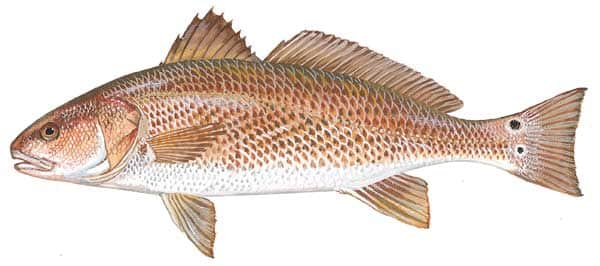
Every July 1, the South Carolina Department of Natural Resources (SCDNR) updates the state’s fishing regulations. This year, the changes are significant: new rules governing red drum fishing take effect, designed to reverse years of population decline. Whether or not you fish, understanding how these rules were developed offers a window into how we manage our shared natural resources — and why it matters.
The Science Behind the Rules
Two key metrics for managing sustainable fisheries are the Maximum Sustainable Yield (the absolute maximum number of fish that can be removed from a population without causing a crash) and the Optimal Yield (a more conservative estimate that accounts for other social and economic factors). Getting those numbers right requires careful monitoring of population trends, which is harder than it sounds. Fish don’t respect state lines or political boundaries. That’s why harvest limits and population targets have to be set at a regional scale, not just state by state.
Who Makes the Rules — and How
South Carolina participates in two interstate fisheries management bodies, each with a distinct jurisdiction.
The Atlantic States Marine Fisheries Commission (ASMFC) is a compact of 15 Atlantic coast states responsible for managing fish stocks in state waters (out to three miles offshore) and coordinating management of migratory species that cross state lines. The ASMFC monitors populations at the regional level, sets reduction targets, and gives individual states flexibility in how they meet them.
The South Atlantic Fishery Management Council (SAFMC) manages federal waters — from 3 to 200 miles offshore — spanning the coast from North Carolina through the Florida Keys. Since 1990, the SAFMC has prohibited the retention of red drum caught in federal waters, a rule that remains in effect today.
What the Data Showed
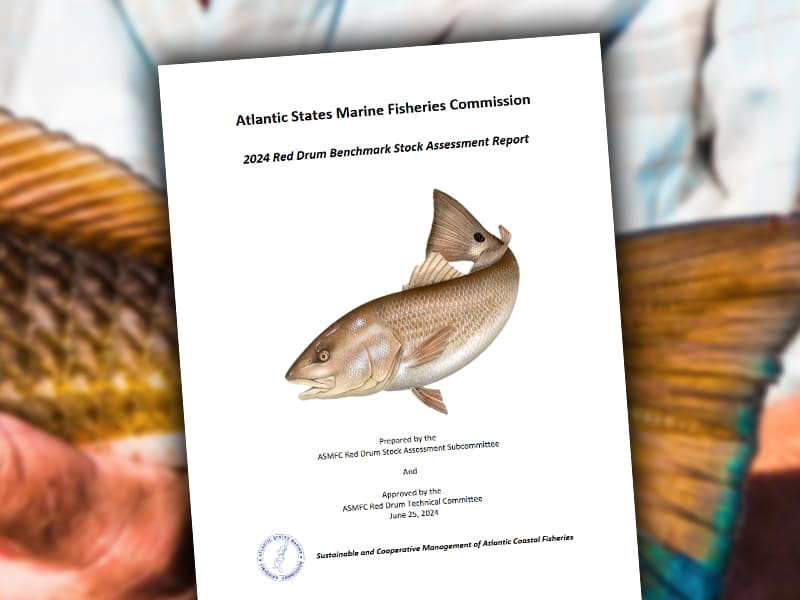
In 2024, the ASMFC released a regional stock assessment with a troubling finding: red drum populations in the Southern Atlantic had declined to unsustainable levels, and harvest reductions were necessary to rebuild the fishery.
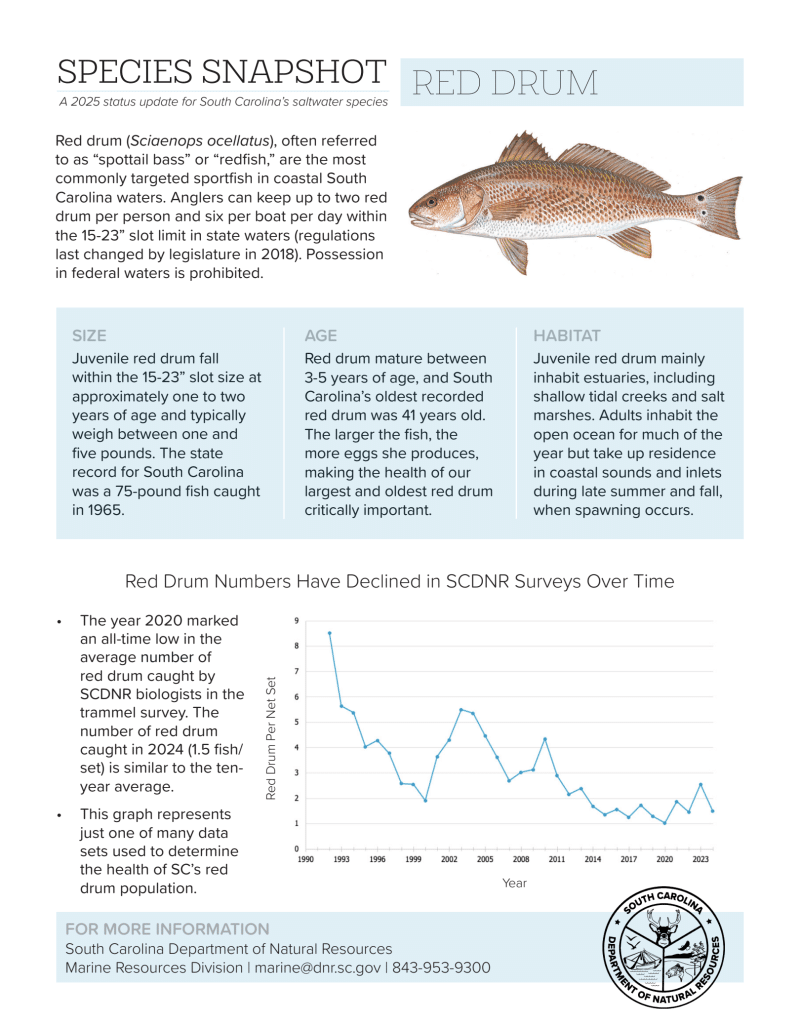
SCDNR conducted its own state-level assessment and reached similar conclusions. The number of breeding adult red drum in South Carolina’s state waters had reached its lowest point in decades. In 2023, total removals — fish that were kept plus fish that were released but later died — reached the second-highest level ever recorded.
In response, the ASMFC updated its regional fishery management plan, requiring Southern Atlantic states to reduce red drum harvest and post-release mortality. South Carolina’s target: a 24% reduction.
Turning Targets into Rules
Hitting a 24% reduction target isn’t as simple as lowering the bag limit, because numerous variables go into building and sustaining a sustainable fish population. SCDNR modeled numerous combinations of rule changes and interventions across different scenarios, then tested those options with focus groups of charter boat captains and recreational anglers to find approaches that would be both effective and workable in practice. The resulting rules then moved through the state legislature and were signed by the governor in time to take effect by the July 1 deadline.
What’s Actually Changing

The new rules address the problem from two angles: reducing the number of fish harvested and reducing the number that die after being caught and released.
Harvest restrictions:
- Daily possession limit drops to one red drum per person, with a maximum of two per boat.
- Slot limit adjusts to 18–25 inches total length, targeting slightly larger fish and removing pressure on smaller 15-inch fish.
Reducing catch-and-release mortality:
- Circle hooks — non-offset, non-stainless steel, size 4/0 or larger — are now required when fishing with natural bait. Circle hooks are proven to reduce gut-hooking and dramatically improve survival rates for released fish.

What Anglers Can Do
The rules are a floor, not a ceiling. Anglers can go further by following a few best practices:
- Avoid targeting large “bull reds” during spawning season (August and September), when breeding fish are especially vulnerable.
- Handle fish carefully — keep them in the water as much as possible, hold them horizontally, remove the hook gently, and release them quickly.
If these measures succeed, fisheries managers project that South Carolina could exit “overfished” status within about seven years, with a full return to healthy, sustainable population levels in roughly thirty years. The rules are a starting point — how we fish in the meantime will determine how fast we get there.
Contribute to Our Understanding of Red Drum in the Port Royal Sound
In partnership with SCDNR, the Port Royal Sound Foundation has been working with Angler’s Atlas to host the Year-Long Fishing Challenge for REEL Science to encourage anglers to record EVERY fish caught in the saltwater regions of the Port Royal Sound watershed. The data collected through this REEL Science Challenge is helping provide a clearer picture of fish (and fishing) behavior in the PRS over the course of a full year. Every fish that is recorded in a given month is entered into a drawing for cool prizes! This year’s Challenge concludes in September, so it’s not too late to register and contribute to our understanding of fish in the PRS! Registration is $20